Introduction to Al-Hijrah
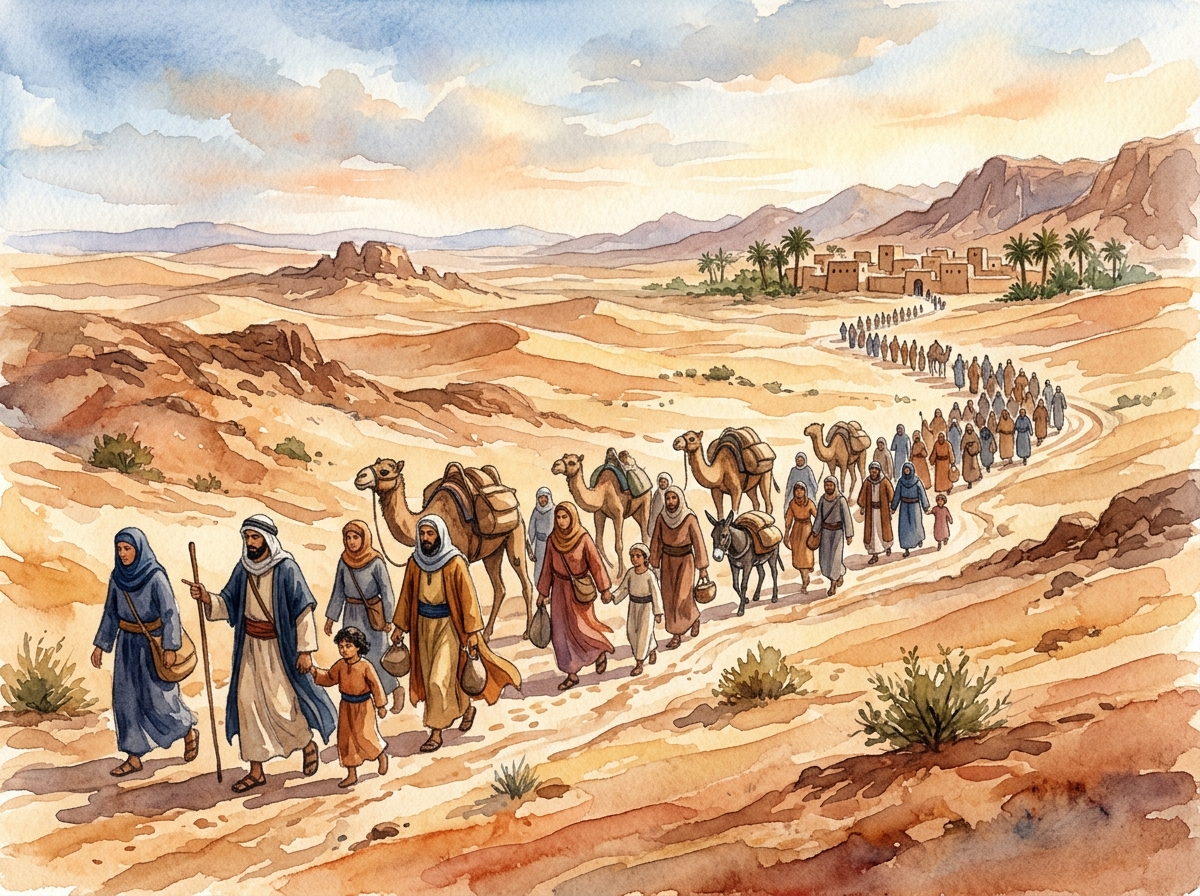
Qur'ān and Seerah Inshā'Allāhu Ta‘ālā, we will start with the Hijrah of Rasulullah. I have already covered the life of Rasūlullāh ﷺ in Makkah, so Inshā'Allāh Ta‘ālā in these sessions we will talk about the early stage of Madīnah, and we will start with Al-Hijrah, but before that, just a word on Seerah. The books of Seerah are concerned with what usually historians are concerned with, and
that is history of politics and the history of the military engagements. When it comes to the Akhlāq of Rasūlullāh ﷺ, you would find those in the books of Hadīth. If you are interested in the Shamā'il of Rasūlullāh ﷺ, which are issues relating to his character, you would find those in books of Shamā'il, however the books of Seerah usually cover the political and military aspects of the life of Rasūlullāh ﷺ, and that is why many of our scholars called Seerah Maghāzī – Maghāzī means battles. However, we will try to bring in the verses of Qur'ān that relate to the events that were happening in the time of Rasūlullāh ﷺ, because Qur'ān would comment on events that happened in the time of Rasūlullāh ﷺ. Sometimes the Āyāt of Qur'ān would precede an event, sometimes the Āyāt of Qur'ān would come concurrent with an event, and sometimes the Āyāt of Qur'ān would come to comment on an event. So for example, you have Ghazwatul Anfāl which was revealed talking about the Battle of Badr and what happened therein. In the Battle of Uhud, you have the end of the Sūrah of Āl ‘Imrān which relates the story of Uhud. Sūrah Al-Hashr talks about the battle of Banū Nadīr. You have the Sūrah of Al-Munāfiqūn and Sūrah An-Nūr talking about the Battle of Banū Mustaliq. And you have Sūrah Al-Ahzāb relating to what happened in the Battle of the Trench. So we will try to bring in these verses that relate to these events in Seerah.
High Status of Hijrah in Islām
We will start with the Hijrah of Rasūlullāh ﷺ. Allāh ﷻ revealed Āyāt in Makkah talking about Al-Hijrah, Allāh ﷻ says: Say, “O My servants who have believed, fear your Lord. For those who do good in this world is good, and the earth of Allāh is spacious. Indeed, the patient will be given their reward without account.”109 So Allāh ﷻ in this Āyah says: Wa Ardullāhi Wāsi‘ah – And the earth of Allāh is spacious, meaning that if you are suffering oppression in Makkah, then you can move somewhere else where you will be able to apply and live the Religion of Allāh ﷻ.
Mujāhid, who is one of Al-Mufassirūn, one of the Imāms of Tafsīr, he says commenting about this Āyah, “Fa Hājirū Fīhā Wa Jāhidū Wa’tazilul Awthār – Make Hijrah in the land, and fight in the path of Allāh ﷻ, and stay away from idol-worshipping.” And ‘Atā', one of the early scholars of this Ummah, he says, “Idhā Du‘ītum Ilā Ma’siyatin, Fahrubū! – If you are invited to do a sin, then run away!” So we should run away from sins. And these two quotes are in the Tafsīr of Ibn Kathīr. Allāh ﷻ also says: And those who emigrated for the cause of Allāh after they had been wronged - We will surely settle them in this world in a good place; but the reward of the Hereafter is greater, if only they could know. They are those who endured patiently and upon their Lord relied.
110 So notice here, Allāh is promising the ones who make Hijrah for His sake, the ones who have been oppressed, Allāh promises them that He will settle them in this world in a good place.
So what does this mean? What does it mean when Allāh ﷻ says: We will surely settle them in this world in a good place? Some of the scholars of Tafsīr said that if we look at Al-Muhājirūn, the ones who moved out of Makkah and went to Madīnah, later on every one of them became an Amīr of a state or a leader of an army. So Allāh ﷻ gave them a better status in this world than what they had in Makkah – that is in this world. And in Ākhirah Allāh ﷻ says: But the reward of the Hereafter is greater. So ‘Umar Ibn Al-Khattāb, when he became Khalīfah and he would give money or gifts to the Muhājirūn, he would tell them, “This is a gift from Allāh for you in this world, but what Allāh has reserved for you in the Hereafter is even greater.” And the scholars say, “Whoever leaves something for the sake of Allāh, Allāh ﷻ will give him something better.” And Allāh ﷻ says: Then, indeed your Lord, to those who emigrated after they had been compelled to renounce their religion and thereafter fought for the cause of Allāh and were patient - indeed, your Lord, after that, is Forgiving and Merciful.
Sacrifice of Al-Muhājirūn and Hospitality of Al-Ansār
These Muhājirūn; have you ever asked yourself the question, where did they stay when they moved from Makkah to Madīnah? Did they check into hotels? Or did they stay in refugee camps? No, they stayed in the houses of Al-Ansār. And that is why we call them Ansār; that is why we call them the ones who gave victory to Islām. Ansār means they gave support; they gave victory to the Religion of Allāh. Their houses were open for Al-Muhājirūn. Even though they were very modest houses, for example, Al-Hassan AlBasrī says, “I entered into the rooms of Rasūlullāh ﷺ and I could touch the ceiling with my own hand.” And every wife of Rasūlullāh ﷺ had a room, and that was it; just one room. They did not have a kitchen, a living room, a balcony, bedrooms, basement; every wife of Rasūlullāh ﷺ just had one room. Now, when Rasūlullāh ﷺ would pray in the room of ‘Ā'ishah, he would have to touch her, so she would have to move her feet away so that he can make Sujūd; it was that small.
So for example, in the house of Khabīb Ibn Isāf, Talhah Bin Ubaydillāh, his mother and Suhaib, that is where they stayed. Hamzah stayed in the house of Sa’d Bin Zurārah. Sa’d Bin Khaythamah; all of the bachelors would stay in his house so they called it the House of Bachelors. ‘Ubaydah Bin Hārith and his mother, At-Tufail Bin Hairth, Tulail Bin ‘Amr, Al-Husain Bin Al-Hārith; all of them stayed in the house of ‘Abdullāh Bin Salamah. So one thing we can learn is that being generous and being supportive of Muslims is one of the signs of Īmān, and it was one of the signs of Al-Ansār.
Comparison between Hijrah to Madīnah and Hijrah of Habashah
One comparison between the Hijrah to Madīnah and the Hijrah of Habashah – because there were two Hijrah; there was the first Hijrah to Al-Habashah and then there was the second Hijrah to Madīnah – so what is the difference between the two? Well, when it comes to the Hijrah to Al-Habashah, they went there to flee persecution but they did not become part of the society in Abyssinia, they were not really part of the society; they were secluded, therefore their ability to change the society was hindered. They were like refugees in Abyssinia, and that is why when they left Abyssinia, they did not
leave a strong Islāmic impression behind. However, the Hijrah to Madīnah was a Hijrah to establish the Islāmic community, so there is a big difference between the two.
Virtues of Madīnah
We will talk about some of the virtues of Madīnah.
Rasūlullāh ﷺ Makes Du‘ā' for Al-Madīnah Rasūlullāh ﷺ asked Allāh to make them love Madīnah, so he said, “Allāhumma Habbib Ilainal-Madīnah Ka Hubbinā Makkah Aw Ashadd – O Allāh! Make us love Madīnah like we love Makkah or more.” Rasūlullāh ﷺ made Du‘ā' that Allāh ﷻ gives Al-Madīnah Barakah, “Allāhummaj‘al Bil Madīnah Di’fī Mā Ja‘alta Bi Makkah Minal Barakah – O Allāh! Double the Barakah, double the blessings of Madīnah, compared to what You have given Makkah.” Because who is the one who made Du‘ā' to Allāh ﷻ to bless Makkah? It was Ibrāhīm. So Rasūlullāh ﷺ is asking Allāh ﷻ to double that blessing when it comes to Madīnah, and this was narrated in AlBukhārī.
Madīnah is Protected from Ad-Dajjāl
Madīnah is protected from Ad-Dajjāl. Rasūlullāh ﷺ says that there are angels on every entrance to Madīnah protecting it from Ad-Dajjāl.
Reward for Being Patient on the Hardship of Madīnah
There is a special reward for being patient on the hardship of Madīnah, because it was difficult to live in Madīnah at that time; it was very hot and the environment was very harsh. So Rasūlullāh ﷺ says in Sahīh AlMuslim, “Walā Yathbutu Ahad ‘Āla La'wā'ihā Illā Kuntu Lahū Shafī‘an Yawm Al-Qiyāmah – Anyone who is patient on the hardships of Madīnah, I will intercede on his behalf on the Day of Judgement.”
Special Blessing of Dying in Madīnah
There is a special blessing of dying in Madīnah. Rasūlullāh ﷺ says, “Whoever is able to die in Madīnah then let it be so, because I will intercede
for you on the Day of Judgement.” And this Hadīth is in Musnad Al-Imām Ahmad. You know, ‘Umar Ibn Al-Khattāb, when he became Khalīfah, he wanted to die in Madīnah and he also wanted to die as a Shahīd; he wanted them both. So he would make a Du‘ā' to Allāh saying. “O Allāh, I want to die as a martyr in the Town of Your Prophet.” So his daughter Hafsah would tell him, “O my father, how can you become a Shahīd in Madīnah when it is safe?” Madīnah is the capital of the Muslim Empire; if you want to die as a Shahīd you need to go to ‘Irāq, you need to go to Syria; not in Madīnah. ‘Umar Ibn Al-Khattāb would say, “If Allāh wants something to happen, He will make it happen.” So not only did ‘Umar die as a Shahīd in Madīnah, he died as a Shahīd in the Mosque of Rasūlullāh ﷺ and in Salāh.
Madīnah is the Refuge of Īmān
Madīnah is also the refuge of Īmān. Rasūlullāh ﷺ says in Bukhārī, “Innal Īmāna Laya'rizu Ilal Madīnati Kamā Ta'rizul Hayyatu Ilā Juhrihā – Īmān seeks refuge in Madīnah (or goes back to Madīnah) like a snake would go back to its hole.”
Madīnah Cleanses Itself from the Impure
Madīnah cleanses itself from the impure or the unclean. Rasūlullāh ﷺ says in Muslim, “In the name of whom my soul is in His Hands, nobody leaves Madīnah because he does not want it anymore except that Allāh will replace him with someone better than him.” And then Rasūlullāh ﷺ says that Madīnah cleanses itself from the people who are impure or the people who are evil. And Rasūlullāh ﷺ says, “The Day of Judgement will not occur until Madīnah drives out all of the evil people in it like the fire would drive out the impurities of iron.”
Allāh ﷻ Protects Madīnah
Allāh ﷻ protects Madīnah. Rasūlullāh ﷺ says, “Whoever plots against the people of Madīnah, Allāh will make him dissolve like salt dissolves in water.” And this Hadīth is in Bukhārī.
Madīnah is Sacred
Al-Madīnah is also sacred, so Rasūlullāh ﷺ says you are not allowed to cut down trees in Madīnah, you are not allowed to hunt in Madīnah, you are not allowed to carry weapons in Madīnah, because of its sanctity. So these are some of the blessings of the Madīnah of Rasūlullāh ﷺ.
The Plots of Quraish
Before Rasūlullāh ﷺ decided to make Hijrah, the people of Makkah plotted against him; they came together and they started discussing how to deal with the Islāmic problem. Some of them suggested that we should throw Muhammad ﷺ in jail; the response was, “No, do not do that, this is not a good idea because if you throw him in jail his followers will come and take him out, they are going to revolt against us.” So the second suggestion came in and that was to exile him, drive him out of Madīnah. So they said, “No, that is not a good idea because his talk is very sweet, so he is going to deceive other people to believe in him and then they are going to come back to you again.” So the third suggestion was that of obviously who else other than Abū Jahl, he said, “We should kill him, and the way to do that is to appoint a strong man from every clan, give him a sharp sword, and then have them all strike Muhammad at once so that his blood will disperse among the different clans of Makkah so that the family of Rasūlullāh ﷺ would not be able to seek revenge, and then they will ask for blood-money and we will be happy to pay it to them.” They said “This is the suggestion that we adopt.”
And Allāh ﷻ says: And remember, O Muhammad, when those who disbelieved plotted against you to restrain you (which is to throw you in jail) or kill you or evict you from Makkah. But they plan, and Allāh plans. And Allāh is the best of planners.112 So they planned to execute Muhammad ﷺ, they wanted to assassinate him, but Allāh ﷻ would protect him. Allāh ﷻ told Muhammad to recite the following Du‘ā', and this is an Āyah in Sūrah Al-Isrā': And say, “My Lord, cause me to enter a
sound entrance and to exit a sound exit and grant me from Yourself a supporting authority.” So to cause me to enter a sound entrance is to cause me to go to Madīnah, and to exit a sound exit is to leave Makkah, and grant me from Yourself a supporting authority, because Allāh ﷻ is teaching Muhammad that this Religion is supported by authority. Rasūlullāh ﷺ says that Allāh ﷻ sometimes could support this Religion through authority in ways that Qur'ān cannot support the Religion, and that is why Khilāfah was a very important concept to the Muslims, in fact, the Sahābah met to decide the issue of Khilāfah before they buried Rasūlullāh ﷺ, as we mentioned in the story of Abū Bakr As-Siddīq.
Rasūlullāh ﷺ Prepares for Hijrah
Rasūlullāh ﷺ set out to prepare for Hijrah. ‘Ā'ishah said, “One day at mid-noon in the house of Abū Bakr we saw a man approaching us and he was masked, he covered his face.” So Abū Bakr As-Siddīq saw that it was Muhammad ﷺ. He said, “Muhammad ﷺ would not come at this time except if it was something important,” because it was at noon and people usually sleep at noon. So Rasūlullāh ﷺ came in and he said, “O Abū Bakr, have everyone in your house leave.” Abū Bakr As-Siddīq said, “The only ones who are in my house are your family O Rasūlullāh ﷺ.” Meaning my family is like yours; you can trust speaking in the presence of my family because they are like your own family. So Rasūlullāh ﷺ said, “I was given permission to leave and to make Hijrah to Madīnah.” Abū Bakr As-Siddīq said, “O Messenger of Allāh! Can I be your Companion?” Rasūlullāh ﷺ said. “Yes.” Abū Bakr As-Siddīq started to weep! ‘Ā'ishah said, “I have never seen someone weeping because of pleasure, because of joy, like my father that day.”
Now, I just want to stop right here and say, this was not an entertaining journey; Abū Bakr knew very well that he is risking his life by being the Companion of Rasūlullāh ﷺ on Hijrah, so how come he is crying out of joy when he knows that he is putting his life on the line? Brothers and
sisters, this shows you the level of sacrifice Abū Bakr As-Siddīq is willing to go to, and it shows you that he is so happy to sacrifice for Rasūlullāh ﷺ!His heart is not trembling, he is not afraid; he is crying because of joy when he knows that he could be killed. But this shows you the love that he had for Rasūlullāh ﷺ.
Rasūlullāh ﷺ and Abū Bakr Set Off for Hijrah
Rasūlullāh ﷺ appointed ‘Alï Ibn Abī Tālib to sleep on his bed, and this is another sacrifice, because ‘Alï Ibn Abī Tālib was also risking his life, but these were the Sahābah of Rasūlullāh ﷺ, this is how far they were willing to go. Rasūlullāh ﷺ and Abū Bakr left Makkah, and Rasūlullāh ﷺ loved Makkah so much, so he looked back and he said, “Wallāhi, Innaki LaKhayru Ardillāhi Wa Ahabbu Ardillāhi Ilallāh. Walawlā Annī Ukhrijtu Minki Mā Kharajt. – In the name of Allāh, you are the most beloved land to Allāh. And if it was not that I was driven out from you, I would not have left.” I would not leave Makkah if I had the choice, but he was driven out of it.
The journey started, and Abū Bakr As-Siddīq for some time would walk ahead of Rasūlullāh ﷺ, and then for some time he would walk behind Rasūlullāh ﷺ. So the Messenger of Allāh noticed that and then he asked Abū Bakr, “How come sometimes you walk in front of me and sometimes you walk behind me?” Abū Bakr As-Siddīq said, “When I remember that somebody could ambush you from in front of us, I walk ahead of you, and then I remember that somebody could be pursuing us, so I walk behind you.” Then Rasūlullāh ﷺ said, “O Abū Bakr, would you rather have harm happen to you or to me?” Abū Bakr As-Siddīq said, “O Messenger of Allāh, I would rather have it happen to me and not to you.” And then they reached to the cave, so Abū Bakr As-Siddīq went in to check the cave to make sure that there is no snakes, there is no scorpions, there is no ambush, and then he told Rasūlullāh ﷺ to come in.
When they were in the cave, the Kuffār of Quraish succeeded in following their tracks until they reached to the mouth of the cave. Abū Bakr As-Siddīq told Rasūlullāh ﷺ,” Yā Rasūlullāh ﷺ – O Messenger of Allāh, if one of
them would stare right under their feet, they would see us.” They were right there at the mouth of the cave. Rasūlullāh ﷺ, with all confidence, he said, “Yā Abā Bakr – O Abū Bakr, what do you think about two men if Allāh is their third? Mā Zannuka Bithnayn Allāhu Thālithuhumā? – Abū Bakr, how would you regard the safety of two people who had Allāh as their third Companion?” You know what stopped them from entering the cave? It was a web of a spider. Allāh ﷻ says about the web of the spider, “Inna Awhanal Buyūti Labaytul ‘Ankabūti – And indeed, the weakest of homes is the home of the spider.” With one finger you could tear down the whole web. So this feeble weak web was the soldier of Allāh that stopped the Disbelievers from entering into the cave, and this shows us that Allāh can choose sometimes the weakest of His creation to be His soldier. This story of the web of the spider is an agreeable narration, it is Hasan. Allāh ﷻ says – and Allāh ﷻ revealed this Āyah later on; this Āyah is in Sūrah At-Tawbah, it is a few years after the Hijrah, and Allāh ﷻ is speaking to the Sahābah and telling them: – If you do not aid the Prophet - Allāh has already aided him…116 You know, that day when Abū Bakr was the only Companion of Rasūlullāh ﷺ and the Kuffār were surrounding the cave, none of you were around and Allāh did not need you to support His Prophet, so Allāh is telling the Sahābah: If you will not aid him, Allāh certainly aided him when those who disbelieved expelled him, he being the second of the two, when they were both in the cave, when he said to his Companion: – (So notice here that Allāh is calling Abū Bakr as the Companion of Rasūlullāh ﷺ; that is an honour to Abū Bakr As-Siddīq, LiSāhibihī - His Companion) – Grieve not, surely Allāh is with us. So Allāh sent down His tranquillity upon him and strengthened him with hosts which you did not see, – (one of these hosts/soldiers is the spider) – and made lowest the word of those who disbelieved; and the word of Allāh, that is the highest; and Allāh is Mighty, Wise.
of Allāh referred to in this Āyah are the angels; these are the unseen soldiers, but then you also have the spider which was a seen soldier.
Now, they stayed in the cave for three days. During these three days, ‘Abdullāh, the son of Abū Bakr, would spend a day in Makkah listening to conversations, eavesdropping, to see what they were saying about Muhammad ﷺ and Abū Bakr. And then he would go at night and spend it with Rasūlullāh ﷺ and Abū Bakr in the cave. And he would have ‘Āmir Bin Fuhairah, the servant of Abū Bakr, follow him with his sheep. So this had a double purpose; the sheep would provide milk to the Prophet and Abū Bakr, and the sheep would also cover the tracks of ‘Abdullāh and ‘Āmir so that no one would know where they went, and this carried on for three days. And then the guide showed up, who was ‘Abdullāh Bin ‘Uraiqat; he was a Mushrik – a Disbeliever, but because he had an alliance with people of Quraish, Rasūlullāh ﷺ hired him to be their guide, so he was the one who would take them through a different route than the usual one that people would usually take when they travelled from Makkah to Madīnah. They set on the trip to Madīnah; they did not follow the regular route but they followed the coastline until they reached to Madīnah.
Quraish Set Bounty on Muhammad ﷺ and Abū Bakr
The people of Quraish set a bounty on Rasūlullāh ﷺ and Abū Bakr – one hundred camels each, dead or alive. And they were sending out their messengers to convey the news to the Bedouins of the desert, the experts of the routes of the desert, telling them that if you bring us Muhammad dead or alive, or Abū Bakr, we will give you a hundred camels each. Surāqah Bin Mālik was the head of one of these Bedouin tribes, he said, “I was sitting in a gathering of my people when a man showed up and said, ‘I saw two men in the horizon and I think that these are the two men that Quraish are looking for.’” Surāqah said, “I told him, ‘No, these two men were just here a while ago and they just left.’” He said, “I told them that to deceive them, but I felt that those men were Muhammad and Abū Bakr, but I just told him that because I wanted to get the camels for myself.” So Surāqah said, “I stayed in the gathering for a while so that they would not be
suspicious, and then I left. I went to my house and I told my servant to go and prepare my horse, the saddle and all, and to hide it behind a hill. And then I left from the back door and I was carrying my spear and my spear was dragging on the ground.” Why? Because spears were long, so he did not want anybody to see it so he was dragging it. And then he said, “I mounted my horse and I went to the direction that that man saw the two men. And it was as I thought; the two men were Muhammad and Abū Bakr.”
So now you only have a few metres between Surāqah becoming a millionaire – one hundred camels each; he was right there. Surāqah says “Abū Bakr was looking back while Muhammad ﷺ was reciting Qur'ān and he never looked back.” Rasūlullāh ﷺ was confident that Allāh ﷻ will give him victory, while Abū Bakr was very concerned, not for himself but concerned for the safety of Muhammad ﷺ, so he was staring back while Muhammad ﷺ was reciting Qur'ān. Abū Bakr told Rasūlullāh ﷺ that there is somebody pursuing us. Rasūlullāh ﷺ made a Du‘ā' and the horse of Surāqah sank in the sand and Surāqah fell off its back. Surāqah said, “So I cast lots,” you know, they had all of these superstitious beliefs, “I cast lots; should I follow them or should I not follow them? The lots told me that I should not follow them, but I insisted on following them.” His greed drove him further, so what is the point of casting the lots if you are going to disobey them anyway? He followed them another time and the same thing happened; he fell off his horse, and he said, “This never happened to me, I never fell off my horse.” The third time it happened to him, he said, “A cloud of dust exploded in my face from in front of my horse, so I knew that Allāh is supporting this man. So I rushed towards him asking him to grant me peace!” Surāqah, who was pursuing Muhammad ﷺ, now became the pursued. Surāqah, who thought that he could kill Muhammad ﷺ, is now worried for his own safety and he is asking Muhammad ﷺ to grant him peace. So Rasūlullāh ﷺ told him, “I grant you peace.” Surāqah told him, “Write that down for me on a piece of paper!” I want to make sure of it! Write it down for me. So Rasūlullāh ﷺ told ‘Āmir Bin Fuhairah to write down a document stating that Rasūlullāh ﷺ is granting Surāqah Bin Mālik peace. Surāqah sticks this piece of cloth or whatever in his pocket and years
pass by, and Subhān'Allāh, eight or nine years later he was arrested when Rasūlullāh ﷺ was laying siege to At-Tā'if, and when they were going to kill him, he pulled that document out and he told them, “This is a document from Rasūlullāh ﷺ granting me peace.” That document saved his life. Now, Surāqah went back and he told the people of Quraish that you are not going to find Muhammad ﷺ, forget about it, because Rasūlullāh ﷺ told him to weaken anybody who is trying to pursue us; drive them away from us. So Surāqah, who was trying to arrest them, now is their guard; Surāqah became a bodyguard for Muhammad ﷺ.
Umm Ma’bad Gives Best Description Ever of Rasūlullāh ﷺ Rasūlullāh ﷺ and Abū Bakr visited a tent. In front of this tent was an old woman, her name was Umm Ma’bad. This was a very generous woman; anybody who would pass by she would feed them. When Rasūlullāh ﷺ and Abū Bakr got there, she did not provide them with anything, so Rasūlullāh ﷺ asked her if she had anything to spare, she said, “If I had anything, you would not have to ask.” So Rasūlullāh ﷺ saw in the corner of her tent a very weak goat and he asked her, “What is the problem with that goat?” She said, “That goat is too weak to go out with the rest of the flock to feed.” So Rasūlullāh ﷺ asked, “Is there any milk in her?” She said, “She is weaker than that!” Rasūlullāh ﷺ asked, “Will you allow me to milk her?” She said, “Go ahead.” So Rasūlullāh ﷺ goes to milk that goat and he asks for a big container; not a cup but a big container. And then he touches the goat and he starts milking it, and milk is flowing out until it fills the container and all of this foam is on top of the milk. And then he gives it to Umm Ma’bad first, so she drinks, and then he gives it to Abū Bakr and ‘Āmir and ‘Abdulah Bin ‘Uraiqat, and they all drink and he is the last to drink and he said, “The servant of the people is the last to drink,” so he was the last to drink. And then he left and there was still a lot of milk in that container. So the husband of Umm Ma’bad comes back with his flock of sheep and he sees this milk and he says, “Umm Ma’bad, where did this milk come from?!” She said, “A blessed man visited us and he was the one who milked the she-goat.” He asked her to describe this man to her; Umm
Ma’bad gave a description of Rasūlullāh ﷺ that remains until this day as one of the best descriptions ever given about Rasūlullāh ﷺ even though she only met him once, and I will read to you her description of Rasūlullāh ﷺ, she said: “I saw him to be a man of evident splendour; fine in figure, his face handsome. Slim in form. His head not too small. Elegant and goodlooking. His eyes large and black. His eyelids long. His voice deep. Very intelligent. His brows high and arched. His hair in plaits. His neck long and his beard thick. He gave an impression of dignity when silent, and of high intelligence when he talked. His words were impressive, and he was decisive; not trivial, not trite. His ideas like pearls moving on their string. He seemed the most splendid and fine-looking man from a distance, and the very best of all from close by. Medium in height, the eye not finding him too tall nor too short. A tree branch as it were between two others, but he was the finest looking of the three, the best proportioned. He was the centre of his Companions’ attention; when he spoke, they listened well, and if he ordered, they hurried to obey. A man well-helped, wellserved, never sullen, never refuted.” Her husband said, “This man must be Muhammad, the one whom Quraish are pursuing. If I meet him, I will pledge allegiance to him and become Muslim.” Now, by the way, Umm Ma’bad did pledge allegiance to Rasūlullāh ﷺ and she became Muslim.
Lessons from Hijrah
The Concept of Hijrah
Number One: The concept of Hijrah. There are two types of Hijrah; there is figurative Hijrah and there is the literal Hijrah.
Figurative Hijrah
The figurative Hijrah is as was mentioned in a Hadīth of Rasūlullāh ﷺ in An-Nasā'ī, “An Tahjura Mā Kariha Rabbuka ‘Azza Wa Jall – Hijrah is to leave what Allāh ﷻ dislikes.” So this is a figurative Hijrah, it is to emigrate from the state of sin to the state of obeying Allāh ﷻ. And Allāh says in Qur'ān, “War-Rujza Fahjur - And uncleanliness avoid.”
Stay away from impurities; make Hijrah from impurities, from idol worshipping, from evil. And this type of Hijrah is mandatory on everyone; all of us have to leave the state of sin to the state of obedience.
Literal Hijrah
Then we have the literal Hijrah, and that is to move from one land to another; you move from the land of evil to the land of good. Examples of that are the Hijrah of Rasūlullāh ﷺ and the Sahābah, or the Hijrah of the man from the Children of Israel who killed a hundred people and then he went to consult a scholar, so the scholar told him, “Allāh will accept your repentance, but you have to move from this town because it is a town of evil and go to that other town, because you will find therein people who will support you in worshipping Allāh ﷻ.“ Benefits of Hijrah Second Lesson: Benefits of Hijrah. Hijrah can cause an economic boom. Granada for example, the Muslim Granada, the last Islāmic State in Andalusia; when the Christian North, the Spaniards, started taking over, conquering Islāmic land, the Muslims would leave and they would settle in Southern Spain in Granada - Gharnātah. So there was a population boom; it reached to over two million, but these are men who came in with their skills, with their abilities as merchants, their abilities as farmers, so Granada flourished and it became the wealthiest state in all of Europe. What caused that? A major part was due to the Hijrah of the Muslims from Northern Spain to the Southern Spain. The same thing for example happened in the US, happened in for example Holland, earlier, a few centuries before, when
all of the Calvinists - the Protestants, moved from some parts of Europe to Holland. So Hijrah brings the talents of people together, and a small village could turn into a huge city because of Hijrah. You have all of the minds coming together. For example, now you have an immigration of Muslim minds going to the Western world, so the Muslim land is deprived from their abilities while they are flooding towards the West, and the fruit of their knowledge is given in Western countries while their Muslim lands are deprived of that.
Hijrah Represents Manifestation of Conflict between Good and Evil
Third Lesson: Hijrah represents the manifestation of the conflict between good and evil. If we go back to the first days of Da’wah, when Rasūlullāh ﷺ was for the first time exposed to Revelation and he just knew that he had become a Prophet, he came down from the cave and he was very terrified and worried, so he went to his wife Khadījah and he told her to wrap him in a garment – that is when the verses of Yā Ayyuhal Muzzammil and Yā Ayyuhal Muddaththir were revealed. So Khadījah told Muhammad ﷺ,” Why do we not go to my uncle and consult him?”
Waraqah Bin Naufal was a wise old man who was literate and he studied the early scriptures, and he read the books of the Jewish and the Christian faith, so he was a knowledgeable man relatively speaking in the environment of Arabia. So they went to Waraqah Bin Naufal and they talked to him and Waraqah asked Muhammad ﷺ,” O Nephew, what do you see?” So Waraqah is asking Muhammad ﷺ what do you see. Rasūlullāh ﷺ explained to him what happened. Waraqah Bin Naufal said, “This was the angel Jibrīl who used to come down to Mūsā; how I wish I were a young man again. I hope I am still alive when your people exile you.”
Now, this last statement was a shock to Muhammad ﷺ;my people will exile me, how would that happen? You need to keep in mind that Muhammad ﷺ was the most beloved man in Quraish, so what would cause them to drive him out of Makkah? Plus, in the tribal society, the tribe is everything and the tribe does not forsake any of its members, so how could it happen that Quraish, the noble tribe of Arabia, would drive out one
of its members? So Rasūlullāh ﷺ asked Waraqah, “Are they going to exile me?!” Waraqah replied, “Yes. No one has ever received what you have without being treated as an enemy. If I am alive when your time comes, I will give you every help.” So Waraqah Bin Naufal is speaking about a reality of the history of the Da’wah. When a person comes up with the truth of Islām, this is what happens; people split into two camps. Allāh ﷻ says about the People of Thamūd: And We had certainly sent to Thamūd their brother Sālih, saying, "Worship Allāh," and at once they were two parties conflicting. 119 So Sālih, who was at the similar position to Muhammad ﷺ;very respected by his people, but when he started preaching truth to them, when he started preaching Islām, when he started preaching the Oneness of Allāh ﷻ, they split into two conflicting camps, and that is why Qur'ān is called Al-Furqān; Furqān is the Criterion, it separates between good and evil, it splits the society into two, and the Battle of Badr is also called Furqān for the same reason.
Thirteen years later, what Waraqah Bin Naufal predicted did happen. Allāh says: And thus have We made for every Prophet an enemy from among the criminals. But sufficient is your Lord as a guide and a helper. So every Prophet has enemies – that is the Sunnah, the way, of Allāh ﷻ. So that is the second lesson.
Elaborate Planning
The Fourth Lesson: We can notice from the Hijrah of Rasūlullāh ﷺ the elaborate planning that went into it.
Number One: Rasūlullāh ﷺ visits Abū Bakr at noon. At noon time people are in a siesta; because of the heat of Arabia people do not venture out of their houses. Rasūlullāh ﷺ was out at that time so that nobody would notice him, and in case somebody did notice him, he was masked; he covered his face.
Number Two: Rasūlullāh ﷺ, when he came into the house of Abū Bakr, he asked him to clear his house – “Akhrij Man ‘Indak Yā Abā Bakr.” So Rasūlullāh ﷺ wanted to keep it as a secret.
Number Three: He had ‘Alï Ibn Abī Tālib sleep on his bed.
Number Four: The camels were already ready and prepared.
Number Five: They left under the cover of darkness and from a backdoor. Number Six: They hired a guide.
Number Seven: Madīnah is north of Makkah while Rasūlullāh ﷺ and Abū Bakr headed south; to deceive the Disbelievers.
Number Eight: They went into hiding for three days in the cave.
Number Nine: ‘Abdullāh Ibn Abū Bakr As-Siddīq would come to them with information; he would gather information during the day and come and present it to them at night.
Number Ten: ‘Āmir Bin Fuhairah brings them food.
So you could see that a lot of planning went into the Hijrah of Rasūlullāh ﷺ, and this is how we should conduct our Islāmic work; we should not just say, ‘Māshā'Allāh, Allāh will take care of everything and Allāh will give us Barakah, just do what you can do.’ I wish that we would do what we can do, but sometimes what this means is you do not have to do a lot. Just do what you can do does not mean that you do not have to do a lot. While Rasūlullāh ﷺ went to extreme lengths to ensure that he does his best in the planning for Hijrah when Allāh ﷻ had already promised him with protection; he is the Messenger of Allāh, Allāh will take care of him, Allāh will support him, Allāh will honour him, so he does not have to do all of this, but he did it to teach us that as a Muslim you have to do your best, you have to do your best, and this is Ihsān.
The Role of Women
The Fifth Lesson from the Hijrah of Rasūlullāh ﷺ: The role of women. And we will try to bring up the role of women in fighting, the role of women in Madīnah, the role of women in Hijrah, because our sisters need to see their role models.
‘Ā'ishah’s Valuable Narrations Number One: How did we hear about the whole story of Hijrah? Who was the narrator of this story of Hijrah, whether it is in Sahīh Al-Bukhārī or Sahīh Al-Muslim? It was ‘Ā'ishah. The whole story of Hijrah was preserved by ‘Ā'ishah.
Asmā' Bint Abī Bakr Suffers
Number Two: Asmā' Bint Abī Bakr, the sister of ‘Ā'ishah, she tore her griddle to put food into it to send it to Rasūlullāh ﷺ and Abū Bakr. She suffered because of Hijrah; Abū Jahl and some men from Quraish came knocking on the door of Abū Bakr after they left, and Asmā' opened the door so Abū Jahl asked her, “Where is your father?” She said, “I do not know where my father is.” So he slapped her on her face so hard; that was a suffering she took for the sake of Allāh ﷻ to protect Rasūlullāh ﷺ and Abū Bakr. She did not go screaming and yelling and hollering, ‘Oh yes yes! My father left for Hijrah!’ just because of one slap; she was patient and she stayed quiet. And you can notice here that she lied, she said, ‘I do not know where my father is,’ and it is allowed to lie in such a situation because it is for the protection of a Muslim – Rasūlullāh ﷺ and Abū Bakr As-Siddīq. So she suffered because of Hijrah.
She was patient, she had Tawakkul on Allāh. The father of Abū Bakr, her grandfather, he was already a blind man. He came in and he said, “I see that my son has caused you two sufferings; number one, by him leaving, and number two, by him not leaving you behind any money.” So Asmā', she was very creative, she went and filled a sack with some rocks and put it in the hands of her grandfather and said, “No, look, he left us a lot of money.” The grandfather said, “Well, it is good that he did so.” She did
that to keep him calm. So she was very content, she was very patient, and she had Tawakkul on Allāh ﷻ.
In addition to ‘Ā'ishah and Asmā' being women, we can also say that they are members of the family of Abū Bakr, so we could also use these same examples to show the sacrifice that the entire family of Abū Bakr went into for the sake of Hijrah.
Choose your Companions Well
Number Six, another lesson from Hijrah: You need to choose your companions well. Who did Rasūlullāh ﷺ choose to join him in Hijrah? It was Abū Bakr As-Siddīq, it was the best choice that Rasūlullāh ﷺ could make. Abū Bakr As-Siddīq, first of all, he loved Muhammad ﷺ, he loved him, and this love was not lip service, it was real. Abū Bakr AsSiddīq cried when he knew that he would be with Muhammad ﷺ on Hijrah, and he was so happy that he was going to be joining Muhammad;this shows you his love. He used his entire family to serve Rasūlullāh ﷺ in this journey, he had a high sense of security, he was a very wise man. He was willing to sacrifice his life for Muhammad ﷺ as we already talked about last night, when he went into the cave and when he was walking in front of Rasūlullāh ﷺ and then walking behind him.
By the way, this incident was narrated to us by ‘Umar Ibn Al-Khattāb. When ‘Umar was Khalīfah, he heard that some people were gathering and they were discussing who was better; Abū Bakr or ‘Umar, so ‘Umar rushed towards them and he said, “One day in the life of Abū Bakr is better than the entire family of ‘Umar.” And he narrated to them this story, he said, “That day in the life of Abū Bakr, the day of Hijrah, that single day is better not only than ‘Umar and the entire life of ‘Umar, but better than the entire family of ‘Umar for all of their lives.” And that shows you the recognition that the Sahābah had of the high status of Abū Bakr As-Siddīq.
Balancing between Secret and Public Da’wah Number Seven, the next lesson from Hijrah: A lot of what Rasūlullāh ﷺ was doing at this stage was secret; he was doing it in secret to preserve Islām
and Muslims, but then there needs to be a balance between secrecy and Da’wah. Da’wah by nature is a public outward act, so how do you balance between giving Da’wah and at the same time protecting your organisation and protecting Islām and Muslims? We find that, for example, in Hijrah, we have examples of both.
Examples of Secrecy
Ibn Is'hāq says, “And as I have been told, no one knew of the departure of the Messenger of Allāh except ‘Alï Bin Abī Tālib and Abū Bakr and his family.” These were the only people who knew about the Hijrah of Rasūlullāh ﷺ, so it shows that Rasūlullāh ﷺ wanted to keep it secret. And for example, when Rasūlullāh ﷺ and Abū Bakr were travelling and they would meet some people, Anas Ibn Mālik would say that Abū Bakr was a known man while Rasūlullāh ﷺ was not known in terms of knowing people outside of Makkah, because Abū Bakr was a man who travelled a lot, he did business, so he knew a lot of people in all of these villages and towns because of his travelling, while Rasūlullāh ﷺ did not travel outside of Makkah in the time of Da’wah except to At-Tā'if; the rest of the time he spent it giving Da’wah inside Makkah itself, he never ventured out of Makkah, so people outside of Makkah did not really know him; they knew about him, but they never really saw him So Anas Ibn Mālik said that people would come and meet Abū Bakr and talk to him. Now, they would ask Abū Bakr after they would greet him and ask him how is he doing, they would ask him, “Who is this man with you?” Abū Bakr would say, “This man is a guide, he is showing me the path.” This man is a guide and he is showing me the path. Now, what these people would understand is that he is a guide guiding him in the desert, but what Abū Bakr really meant was that this man is guiding me towards Allāh, but he put it in this statement to protect the identity of Rasūlullāh ﷺ, he did not want to tell them that this is Muhammad ﷺ, because now you have a hundred camels, there was a bounty on Rasūlullāh ﷺ, so he wanted to protect his identity, and the way he did it was by making this statement, so you can see that Abū Bakr was not lying, but they were understanding something
different than what he meant, this is what is called Tawriyah. So you can see this secrecy part.
Now, when it comes to Da’wah, the identity would need to be exposed for Da’wah, so when Rasūlullāh ﷺ met with Buraidah Al-Aslamī, he did tell him that I am Muhammad ﷺ and he did give him Da’wah and Buraidah became Muslim, and he joined Rasūlullāh ﷺ in 16 out of his 19 battles, and he was a head of his people. Rasūlullāh ﷺ also met with two thieves and he gave them Da’wah and they became Muslim. Rasūlullāh ﷺ asked them, “What is your name?” They said “Our name is Al-Muhānān.” AlMuhānān means the dishonoured ones. The people used to call them the dishonoured ones, so Rasūlullāh ﷺ told them, “No, you are the honoured ones.”
Another example of Da’wah; Rasūlullāh ﷺ met with a shepherd, so he asked him, “Can you give us some milk?” The shepherd said, “None of my goats have milk at the moment.” Rasūlullāh ﷺ chose one of them and asked, “Would you allow me to milk it?” The shepherd said, “Go ahead,” and Rasūlullāh ﷺ did milk it and a lot of milk started flowing out. And then he gave the shepherd to drink first and then he and Abū Bakr drank, so the shepherd asked Muhammad ﷺ,” For heaven’s sake! Who are you? I never saw the like of you.” Rasūlullāh ﷺ responded, “Do you think you could keep it secret if I told you?” So the man said, “Yes.” Rasūlullāh ﷺ said, “I am Muhammad, the Messenger of Allāh.” The shepherd said, “You mean you are the one Quraish say claims to be a Sabian?” Sabian was a degrading accusation that the people of Quraish would level towards the Muslims; they would call them As-Sābi'ūn rather than call them Muslim. Rasūlullāh ﷺ said, “Yes, they do say that.” The man said, “Well, I bear witness that you bring the truth and only a Prophet could do as you have, I am your follower now.” Rasūlullāh ﷺ told him, “You cannot be that right now; come and join us when you hear I have declared myself openly.” Rasūlullāh ﷺ does not mean that you cannot follow me in terms of becoming Muslim, he means you cannot join me now, but he did accept his Islām, but he could not join the Islāmic Jamā‘ah at the moment and follow Rasūlullāh ﷺ because Rasūlullāh ﷺ was still at that secretive stage.
So you can see here the balance between giving Da’wah and protecting the identity of Rasūlullāh ﷺ in being secret. Rasūlullāh ﷺ did declare his identity to people whom he thought would be respondent to the Da’wah, but he did not give Da’wah to every single person he met in Hijrah, because all of those people Abū Bakr would meet and Abū Bakr would tell them, “This is a guide,” Rasūlullāh ﷺ did not give them Da’wah, he did not invite them to Islām. So it shows you that there is a balance between the two. The Dā‘iyah Needs to Be Financially Independent Finally, Number Eight: the Dā‘iyah needs to be financially independent. When Rasūlullāh ﷺ told Abū Bakr that I have been given permission to make Hijrah and Abū Bakr told him I will join you and be your Companion, Abū Bakr told Muhammad ﷺ,” Here are two camels for Hijrah.”
Rasūlullāh ﷺ said, “Bith-Thaman – I am going to take the camels and pay for it.” Notice here Rasūlullāh ﷺ saying that he is going to pay for that camel. So it is important for the Dā‘iyah to be financially independent, because what happens is that when a scholar is on the government payroll, there is a conflict of interest when that scholar is giving a Fatwā on any issue that relates to the government. When the government is feeding the scholar, the scholar will be hesitant to criticise the government, and there is a clear conflict of interest in any Fatwā that relates to politics or relates to issues that upset the government, and that is why, for example, we hear issues such as scholars giving Fatwā that it is allowed to have interest banks; banks that deal with the interest system rather than Islāmic banks. This is, for example, a Fatwā that was forced upon a scholar or a scholar said it to please the government - that is just an example. So it is important for Du‘āh – scholars and preachers who invite to Islām, to be financially independent.
Rasūlullāh ﷺ and Abū Bakr Travel at Peak of Summer
Rasūlullāh ﷺ and Abū Bakr were travelling in the desert at the peak of the summer season; it was very hot. Ibn Is'hāq says, “Then he – the guide – took them down the valley and so to Qubā' to the Banī ‘Amr Bin ‘Awf. It was now Monday 12th Rabī’ Al-Awwal, and the heat was extreme, the sun almost having reached its zenith.” So it was in the middle of summer, very hot, when Rasūlullāh ﷺ and Abū Bakr As-Siddīq made Hijrah.
Al-Ansār’s Keen Anticipation of Meeting Rasūlullāh ﷺ The Ansār would go out of Madīnah every day in the morning in anticipation of meeting Rasūlullāh ﷺ and greeting him, but when the heat would become too extreme, they would go indoors. So one day they went early in the morning waiting for Rasūlullāh ﷺ;when he did not show up they went back in. There was a Jew who was climbing on one of their high buildings and he saw Muhammad ﷺ and Abū Bakr approaching, they were dressed in white. The reason why they were dressed in brand new white clothes was because Rasūlullāh ﷺ and Abū Bakr met with AzZubair Bin Al-‘Awwām who was coming back from a business trip to Syria and he just brought with him some new clothes, so he gave Rasūlullāh ﷺ and Abū Bakr gifts, and these were the clothes that they put on when they went into Madīnah. So this Jew saw Muhammad ﷺ and Abū Bakr approaching, so he called out from the top of his voice, he said, “O Arabs! Here is your man, he has arrived!” So the Ansār rushed towards their weapons and marched out to meet Rasūlullāh ﷺ. You might be wondering how come they went out putting their weapons on; the reason could be that this was the tradition that when you met someone or you greeted them, you would go out carrying your weapons, and this is still a tradition in some tribal societies that when they would meet an important guest they would take their rifles with them to greet that guest. The other reason could be that the Bay‘ah that the Ansār gave to Rasūlullāh ﷺ was a Bay‘ah of protection; they were offering him protection, so they were carrying their weapons with them to show him that here we are ready and prepared to serve you and to protect you.
Rasūlullāh ﷺ Builds First Masjid in Islām – Masjid of Qubā'
So Rasūlullāh ﷺ and Abū Bakr arrived and people started greeting them. Now, they arrived at the outskirts of Madīnah which was Qubā', and Rasūlullāh ﷺ stayed there in Qubā' for 14 days, and that was when he built the Masjid of Qubā', the first Masjid in Islām. This Masjid is special; if you make Wudū' at your home and you go to Masjid Qubā' and pray two Rak‘ah, it counts as if you have made ‘Umrah. That is a special virtue to praying in the Masjid of Qubā'.
Rasūlullāh ﷺ stayed in a house called the House of Bachelors, because all of the men in there were bachelors; it was the house of Sa’d Bin Haithamah. Rasūlullāh ﷺ stayed there because all of the guests were coming in and out of the house, so he did not want to stay with a family and burden them with all of these people who were coming to meet him, so he stayed in this bachelors’ house. And while he was there, Rasūlullāh ﷺ sent messengers to Madīnah asking them permission to come in. So they sent him a large delegation, and they came and met Rasūlullāh ﷺ and said, “Udkhulā Āminaini Mutā‘ain – Come in, and you are safe and you will be obeyed.” So Rasūlullāh ﷺ is not coming to Madīnah as a guest, he is coming to lead the people of Madīnah. And they came and told him, “You will be obeyed,” and Allāh ﷻ says: Wamā Arsalnā Min Rasūlin Illā Liyutā‘ah Bi'idhnillāh – And We did not send any Messenger except to be obeyed by permission of Allāh. So the people should follow the Messengers of Allāh.
Rasūlullāh ﷺ and Abū Bakr Arrive in Madīnah
The Celebration of Al-Ansār
Now Rasūlullāh ﷺ goes into Madīnah. It was an amazing day. It was a huge celebration. People came out to greet him; the men came out armed, the Abyssinians were dancing with their spears, women were standing on
rooftops, children were flooding the streets; everyone wanted to catch a glimpse of Rasūlullāh ﷺ. Anas Ibn Mālik says, “The Messenger of Allāh did come, and his Companion. They were among the townspeople. Even the old people came out to greet them, climbing on top of houses and shouting, ‘Which one is he?!’” Anas Ibn Mālik says, “We never saw such a sight before.” People were coming out, everyone wanted to catch a glimpse of Rasūlullāh ﷺ, people were happy that Rasūlullāh ﷺ had arrived. Anas Ibn Mālik said, “I witnessed the day he entered among us and I witnessed the day he died, and I never saw two days as those.” I never saw two days like that in my life. Anas Ibn Mālik says in another narration, “I witnessed two days; one day was the brightest and best day in my life, and that was the day Rasūlullāh ﷺ and Abū Bakr came into Madīnah. The other day was the darkest day and the worst day in my life, and that was the day in which Rasūlullāh ﷺ passed away. And I have witnessed both of them.” So dear brothers and sisters, the best day Madīnah has ever witnessed was the day in which Rasūlullāh ﷺ came in, and the worst day Madīnah has ever witnessed was the day Rasūlullāh ﷺ left them.
Rasūlullāh ﷺ Stays in the House of Abū Ayyūb
Rasūlullāh ﷺ was offered to stay in every house in Madīnah; all of them were welcoming him, but Rasūlullāh ﷺ wanted to stay with Banū Najjār because Banū Najjār were his relatives. You see, Hāshim married a woman from Banū Najjār, Banū Najjār were from Al-Khazraj, therefore ‘Abdul Muttalib, his maternal uncles, were from Madīnah, from Banū Najjār. So Rasūlullāh ﷺ said, “I want to stay with Banū Najjār.” And then he asked Banū Najjār, “Which house of Banū Najjār is closest to me?” So Abū Ayyūb Al-Ansārī said, “My house.” So Rasūlullāh ﷺ stayed at the house of Abū Ayyūb. Rasūlullāh ﷺ wanted to stay in the lower level while Abū Ayyūb was trying to convince him to stay in the upper level; it was a two storey house. The reason why Rasūlullāh ﷺ wanted to stay in the lower level was because people were visiting him, so he wanted to make it easy and stay in the lower level. Finally, Abū Ayyūb agreed.
Generosity of Al-Ansār
Abū Ayyūb says, “We had a container filled with water that fell, so we were afraid that water would drip on Rasūlullāh ﷺ, so we used our blanket – and me and my wife only had that blanket – we used it to soak up the water and we had to sleep without that blanket.” This is the generosity that the Sahābah were offering to Rasūlullāh ﷺ. His only blanket; he used it to soak up water just so that a few drops of water would not drip on Rasūlullāh ﷺ and Abū Bakr As-Siddīq.
Another example of the generosity of people in Madīnah; Zayd Ibn Thābit says, “The first gift made to the Messenger of Allāh after he took up residence in the home of Abū Ayyūb was brought to him by myself. It was a big wooden bowl filled with bread, crumbled up with milk and butter. I told him that my mother had sent him the bowl, he commented, ‘May Allāh bless her.’ Then he called over his Companions and they ate. Then a wooden bowl came from Sa’d Ibn ‘Ubādah, it was bread mixed with meat gravy.” Zayd Bin Thābit then says, “Not an evening went by without there being at the door of the Messenger of Allāh three or four people who would come one after the other carrying food. He remained there in the home of Abū Ayyūb for seven months.” So you can just imagine the scene of people coming in, everyone carrying a plate to Rasūlullāh ﷺ. These were poor people, but they were giving up their food for Rasūlullāh ﷺ.
Rasūlullāh ﷺ Loved Al-Ansār and they Loved him People loved Rasūlullāh ﷺ. Young girls went in the streets and they were singing, they were saying, “We are girls of the Banū Najjār, how wonderful if Muhammad were our neighbour.” Rasūlullāh ﷺ said, “Allāh knows that my heart loves you all.” Allāh knows that my heart loves you all. So Rasūlullāh ﷺ loved them and they loved him. Allāh ﷻ has chosen the people of Ansār to be the Ansār of Rasūlullāh ﷺ, they loved him very much and he also loved them a lot. Towards the end of his life he said, “If it was not for Hijrah, I would consider myself to be a member of Al-Ansār.”
The Situation in Madīnah
The Tribes in Madīnah
What was the situation of Madīnah like when Rasūlullāh ﷺ moved in there? There were five tribes living in Madīnah; three of them were Jewish and two of them were Arab. The three Jewish tribes were Banū Qaynuqā’, Banū Nadīr and Banū Qurayzah. Banū Qaynuqā’ lived in the centre of Madīnah, the marketplace, and they were in the business of jewellery. They used to live in the outskirts of Madīnah in forts, but they were driven out in a war between them and other Jews, so they ended up settling in the middle of Madīnah, in the centre of the town. Banū Nadīr and Banū Qaynuqā’ lived in the outskirts of Madīnah, and they were living in forts, they had about 59 fortresses in which they lived in. Their fighting force was about 2,000; these were the men of fighting age, about 2,000. The Arab tribes were Al-Aws and Al-Khazraj, and their fighting force was about 4,000, and they lived inside Madīnah; one tribe lived in the North and the other tribe lived in the South. So Madīnah was not really a city in terms of all houses being connected, but it was a collection of small villages that formed Madīnah. So you would have living quarters for the Jews and living quarters for the Arabs, and each Jewish tribe was separate and the two Arab tribes were also separate.
Livelihood of People in Madīnah
The livelihood of the people in Madīnah was based on agriculture, it was fertile, and they had palm groves. The farmer would need money throughout the year until harvest time would come, so the Jewish tribes would lend the Arabs money and they would charge them interest for it – usury, and this caused some conflict and some bitter feelings between the Arabs and the Jews of Madīnah. This is briefly the situation that existed prior to the advent of Islām.
People of Madīnah were Disunited
Now, when Islām came in, now you had Muslims, you had Pagan idol worshippers and you had Jews, so you had different faiths and different ethnic groups inside Madīnah, and Rasūlullāh ﷺ had to be very careful in
dealing with these complications in Madīnah. Do not think that it was very easy and everybody just became Muslim and everybody loved Rasūlullāh ﷺ and it was very easy to rule over Madīnah; it was very difficult. You had people among the Arabs who were not happy that Rasūlullāh ﷺ was there, you also had the Jewish tribes who were not happy that Rasūlullāh ﷺ was there, and then among the Arabs you had Muslims and NonMuslims, so it was a complicated situation. To give you an example of this complication, Rasūlullāh ﷺ was riding on his donkey and he went towards a gathering that included Arabs, Muslim and Non-Muslim, and also Jews. So Rasūlullāh ﷺ went to that gathering, and when his donkey arrived, obviously it caused some dust, and ‘Abdullāh Ibn Ubaÿ who later became the head of the Munāfiqīn, he said, “Keep your dust away from us!” Rasūlullāh ﷺ did not respond back to him, Rasūlullāh ﷺ started preaching Islām to them; he gave them a talk about Islām. When he finished, ‘Abdullāh Ibn Ubaÿ said, “Do not come and bother us in our meetings with your talk. Stay home, and whoever comes to visit you, then tell them your stories.” ‘Abdullāh Ibn Rawāhah, who was a Muslim, he said, “No! We want him to come to our meetings and talk to us,” and then people started shouting and war was almost going to break out, and Rasūlullāh ﷺ had to calm them down. And then Rasūlullāh ﷺ went to the house of Sa’d Ibn ‘Ubādah and said, “O Sa’d, did you not see what ‘Abdullāh Ibn Ubaÿ did?!” Sa’d asked him what happened, and when Rasūlullāh ﷺ told him. Sa’d responded back by saying, “O Rasūlullāh ﷺ, ‘Abdullāh Ibn Ubaÿ was a man whom his people were almost going to appoint him king over them when you arrived, so he sees that you have stripped him of his kingdom.” You have stripped him of that post. So Sa’d was telling Rasūlullāh ﷺ that it is understandable that he is against you because he was going to be appointed by Al-Khazraj to be king over them. So this was the situation that Rasūlullāh ﷺ was dealing with.